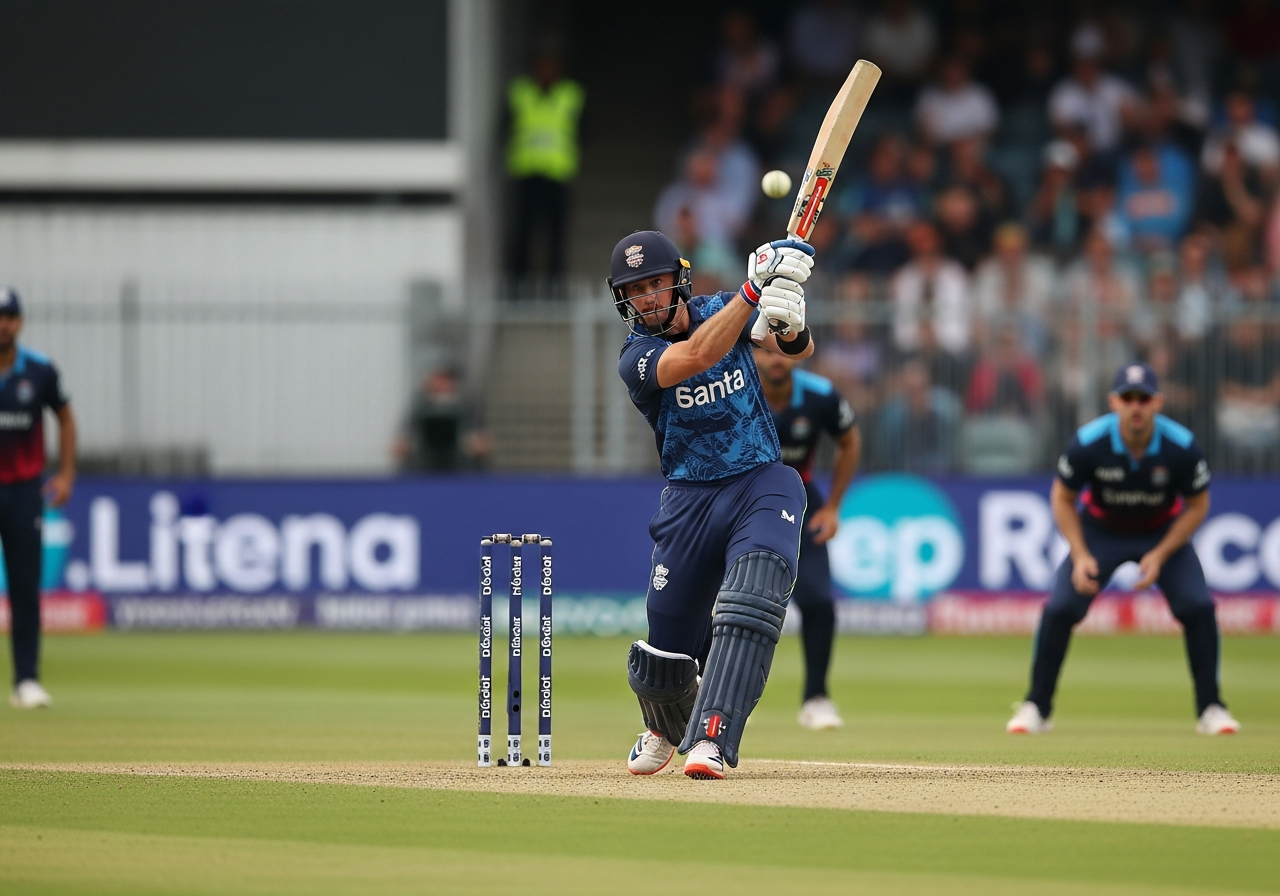
Betting on total sixes in the powerplay has emerged as one of the most exciting and volatile markets for Indian cricket bettors. This specialized bet focuses exclusively on how many sixes will be hit during the first six overs of an innings, when fielding restrictions create maximum opportunities for big hitting. For IPL and T20 fans who understand the explosive nature of powerplay batting, this market offers a perfect blend of cricket knowledge and betting strategy.
This comprehensive guide is specifically designed for Indian bettors who want to master powerplay sixes betting through data-driven analysis and practical strategy. We’ll focus primarily on IPL matches while covering other top T20 leagues, emphasizing tactical approaches over unrealistic profit promises. Remember, all betting involves risk, and this content is purely informational – always gamble responsibly and within your means.
What Does Betting on Total Sixes in the Powerplay Mean for Indian Bettors?
The powerplay in T20 cricket refers to the first six overs when only two fielders are allowed outside the 30-yard circle. This fielding restriction creates a unique window where batsmen can target boundaries more easily, making it the most aggressive phase of the innings. For bettors, this translates into predictable patterns of six-hitting that can be analyzed and wagered upon.
Powerplay sixes betting markets typically offer over/under lines on the total number of sixes hit during these crucial first six overs. Unlike broader match betting, this market focuses on a specific tactical phase where field restrictions, fresh batsmen, and attacking intent combine to create maximum six-hitting potential. The beauty of this market lies in its short duration and clear parameters.
Understanding this market requires grasping both cricket tactics and betting principles. The powerplay’s unique conditions – mandatory close fielders, fresh pitch, and aggressive batting approach – create a distinct environment where six frequency differs significantly from the rest of the innings. This knowledge forms the foundation for successful powerplay sixes betting.
Indian bettors particularly appreciate this market because it aligns with the explosive batting culture celebrated in the IPL. The tournament’s emphasis on powerplay aggression, combined with shorter boundaries at many venues, creates ideal conditions for high-scoring opening phases that translate into engaging betting opportunities.
Key Types of Total Sixes Powerplay Markets
The most common variant is the combined sixes market, where you bet on the total sixes hit by both teams during their respective powerplays. For example, if the line is set at 4.5, you’re predicting whether the combined powerplay sixes from both innings will exceed or fall short of that number. Settlement occurs after both teams complete their powerplay phases.
Team-specific markets allow you to bet on individual team powerplay sixes, typically offering lines like “Team A Over 2.5 Sixes in Powerplay.” Banded markets provide multiple ranges such as 0-1 sixes, 2-3 sixes, or 4+ sixes, offering different odds for each bracket. These variants give bettors flexibility to express different levels of confidence in their powerplay predictions.
Some platforms also offer first-innings-only markets, which settle after the first team’s powerplay, and highest-scoring powerplay markets where you predict which team will hit more sixes during their six-over phase. Each variant requires slightly different analytical approaches and risk considerations.
How Indian Online Betting Platforms Present These Odds
Indian betting sites typically display powerplay sixes odds in decimal format, with common IPL lines ranging from 3.5 to 6.5 total sixes depending on teams and conditions. Pre-match odds usually appear 2-3 hours before the match, while in-play markets activate as soon as the innings begins, updating after each delivery based on the evolving situation.
The presentation varies between platforms, but most feature powerplay markets prominently during T20 matches due to their popularity among Indian bettors. Lines adjust dynamically based on early powerplay progress, with dramatic shifts occurring after boundaries or wickets. Understanding these odds movements helps bettors identify value opportunities.
It’s important to note that availability depends on your jurisdiction and the platform’s licensing. Always ensure you’re using legitimate, regulated betting sites that operate legally in your area. The regulatory landscape around online betting in India continues evolving, so staying informed about local laws is essential for responsible participation.
Understanding the Powerplay: Field Restrictions, Formats and Their Impact on Sixes
The powerplay’s defining characteristic is the fielding restriction that allows only two players outside the 30-yard circle during the first six overs. This rule fundamentally alters the risk-reward calculation for batsmen, as mishit shots that would normally be caught by deep fielders can clear the boundary for sixes. Understanding this tactical environment is crucial for accurate sixes prediction.
Different formats implement powerplay rules slightly differently, which directly impacts six-hitting patterns. T20 cricket features the most aggressive powerplay approach since teams only have six overs to maximize this advantage, while ODI powerplays span ten overs but with less urgency. These format differences create distinct six-hitting profiles that bettors must consider.
The psychological aspect of powerplay batting cannot be ignored when analyzing sixes potential. Batsmen approach these overs with predetermined aggression levels, knowing they have a limited window to exploit fielding restrictions. This mindset often leads to calculated risks that either produce spectacular sixes or early dismissals.
| Format | Powerplay Overs | Fielding Restriction Summary | Typical Six-Hitting Pattern |
|---|---|---|---|
| T20 Cricket | 1-6 | Max 2 fielders outside 30-yard circle | Aggressive from ball one, 60-70% of total sixes |
| ODI Cricket | 1-10 | Max 2 fielders outside circle, then 4 | Measured aggression, building approach |
| IPL Matches | 1-6 | T20 rules plus impact player flexibility | Ultra-aggressive, shorter boundaries amplify |
| International T20 | 1-6 | Standard T20 fielding restrictions | Variable by conditions and team approach |
| Domestic T20 | 1-6 | Similar to international T20 | More conservative than IPL, fewer sixes |
Why Powerplay Structure Matters Specifically for Sixes Betting
The mathematical probability of hitting sixes increases dramatically during powerplay overs because mishit shots that would normally be caught in the deep can clear shorter boundaries. With only two fielders patrolling the entire outfield area beyond 30 yards, massive gaps exist where even mistimed shots can result in maximum scores. This fundamental shift in risk-reward creates predictable six-hitting opportunities.
Strike rates during powerplay overs typically exceed 140-150 in IPL matches, compared to 120-130 in middle overs, reflecting the aggressive intent enabled by fielding restrictions. This elevated strike rate doesn’t just mean more boundaries—it specifically increases the likelihood of batsmen attempting ambitious shots that result in sixes. The powerplay structure essentially incentivizes the exact type of batting that produces maximum boundaries.
Mishit amplification represents another crucial factor where powerplay fielding creates six-hitting opportunities from shots that shouldn’t logically clear the boundary. When batsmen attempt big shots and don’t quite middle the ball, the absence of deep fielders can turn potential catches into sixes, especially on smaller IPL grounds where even mishits can travel 70-80 meters.
Core Factors That Drive Total Sixes in the Powerplay
Successful powerplay sixes betting requires understanding the multiple variables that influence six-hitting frequency during the first six overs. These factors interact in complex ways, creating scenarios where the same teams might produce vastly different six totals depending on conditions. Mastering these core drivers enables bettors to build accurate expectations and identify value in the markets.
The interplay between external conditions and tactical decisions creates the foundation for six-hitting analysis. While some factors like pitch conditions are fixed before the match, others like batting approach and bowling matchups can shift based on game situation and team strategy. Understanding which factors are most predictive in different scenarios separates successful bettors from casual punters.
Environmental factors often provide the strongest baseline for six-hitting expectations, while tactical factors create the variance around those baselines. A flat pitch with short boundaries establishes high six-hitting potential, but conservative batting or skillful bowling can still result in low totals. Conversely, challenging conditions can be overcome by ultra-aggressive batting or poor bowling.
- Pitch conditions and surface behavior – flat pitches with even bounce dramatically increase six-hitting probability compared to green or turning surfaces where batsmen must respect seam movement or spin
- Boundary dimensions and ground size – venues like Sharjah or Eden Gardens with shorter square boundaries see significantly more sixes than larger grounds like Rajkot or Mohali
- Weather conditions including dew factor – dewy conditions make ball handling difficult for bowlers while reducing swing, creating ideal six-hitting environments especially in second innings
- Opening batsmen profiles and recent form – aggressive openers like Abhishek Sharma or Jos Buttler approach powerplays differently than accumulator types, affecting six frequency
- Bowling attack composition and powerplay strategy – teams deploying spin early or lacking quality pace options often concede more powerplay sixes than those with strong new-ball attacks
- Match context and required run rate – chasing teams facing high targets adopt different powerplay approaches than teams setting totals, influencing six-hitting intent
- Head-to-head matchup history between specific batsmen and bowlers – certain batsmen consistently target specific bowlers for boundaries based on past success or tactical advantages
Pitch, Weather and Ground Dimensions
Pitch conditions provide the foundation for six-hitting analysis, with flat surfaces offering true bounce and minimal seam movement creating ideal conditions for aggressive stroke play. Green pitches that assist fast bowlers typically reduce six frequency as batsmen adopt more cautious approaches, while turning pitches present mixed scenarios depending on whether spinners are deployed early. Understanding pitch preparation patterns at different IPL venues helps predict surface behavior.
Boundary dimensions vary significantly across cricket venues, with some grounds featuring 55-meter boundaries while others extend beyond 75 meters. These differences directly impact six-hitting probability, as shots that clear shorter boundaries comfortably would be caught in the deep at larger venues. Altitude also plays a role, with venues like Bangalore’s higher elevation helping the ball travel further through thinner air.
Dew represents a crucial factor in subcontinental cricket, particularly during evening IPL matches where moisture settles on the pitch and outfield during the second innings. Dewy conditions make bowling more challenging as the ball becomes slippery, while reducing swing and seam movement that would otherwise trouble batsmen. Smart bettors often adjust their second-innings six expectations upward when dew is anticipated.
Batting and Bowling Matchups in the First Six Overs
Opening batsmen’s profiles heavily influence powerplay six-hitting patterns, with aggressive stroke-players like David Warner or Faf du Plessis approaching the first six overs with clear boundary-hitting intent. Analyzing recent form, balls-per-six ratios, and specific venue performance helps predict individual contributions to powerplay totals. Some openers consistently target the powerplay for maximum damage, while others prefer gradual acceleration.
Bowling matchups during powerplay overs can make or break six-hitting expectations, as quality new-ball bowlers like Jasprit Bumrah or Trent Boult typically restrict boundaries through disciplined lines and movement. Teams lacking strong powerplay bowling options often concede more sixes as batsmen exploit weaker attacks. The decision to use spin during powerplay overs also significantly impacts six frequency, particularly against batsmen comfortable attacking slow bowling.
Historical head-to-head data between specific batsmen and bowlers provides valuable insights, as certain matchups consistently favor either boundary-hitting or tight bowling. Some batsmen have particular success against specific bowling types or individual bowlers, creating predictable patterns that sharp bettors can exploit when analyzing powerplay lineups.
Using IPL Powerplay Data and Records to Frame Sixes Expectations
Historical IPL data provides the most relevant baseline for powerplay sixes betting, as the tournament’s consistent format, venues, and playing conditions create predictable patterns. Analyzing past seasons reveals clear trends in six-hitting frequency, venue-specific patterns, and team approaches that help establish realistic expectations for current matches. The IPL’s data-rich environment enables sophisticated analysis unavailable in other tournaments.
Record-breaking powerplay performances, while spectacular, represent extreme outliers that shouldn’t form the basis for routine betting decisions. However, these exceptional innings provide valuable insights into the theoretical maximum potential under ideal conditions. Understanding both typical ranges and extreme possibilities helps bettors maintain realistic expectations while recognizing when conditions might favor unusually high totals.
The variability in powerplay six totals demonstrates why this market offers betting opportunities, as the same teams can produce vastly different results depending on conditions and approach. This inherent volatility creates value for informed bettors who can better predict when circumstances favor higher or lower six counts than market expectations.
| Match / Season | Team | Powerplay Score | Sixes in Powerplay | Takeaway for Bettors |
|---|---|---|---|---|
| SRH vs MI 2024 | SRH | 125/0 | 8 | Perfect storm – flat pitch, short boundaries, aggressive batsmen |
| RCB vs GT 2023 | RCB | 112/1 | 7 | Chinnaswamy factor – even mishits clear short boundaries |
| DC vs KKR 2022 | DC | 65/2 | 1 | Quality bowling can restrict even on flat pitches |
| PBKS vs RR 2023 | RR | 45/4 | 0 | Early wickets can completely derail six-hitting plans |
| CSK vs MI 2023 | MI | 95/1 | 5 | Strong opening partnerships enable consistent aggression |
| GT vs LSG 2024 | GT | 72/3 | 2 | Defending teams often adopt measured powerplay approaches |
| KKR vs SRH 2024 | SRH | 108/2 | 6 | High chasing targets encourage maximum powerplay aggression |
Team and Venue Powerplay Sixes Profiles in the IPL
Different IPL teams have established distinct powerplay approaches that create predictable six-hitting patterns across seasons. SRH under their recent ultra-aggressive strategy consistently leads powerplay six counts, while teams like CSK traditionally adopt more measured approaches that prioritize wicket preservation. Understanding these philosophical differences helps predict team-specific six totals regardless of personnel changes.
Venue-specific patterns reveal significant variations in powerplay six frequency, with smaller grounds like Sharjah and Eden Gardens consistently producing higher totals than larger venues. The combination of boundary dimensions, pitch characteristics, and local conditions creates unique six-hitting environments that smart bettors incorporate into their analysis. Some venues consistently exceed or fall short of market expectations due to these structural factors.
Head-to-head trends between specific teams at particular venues provide additional insights, as certain matchups consistently produce high or low six totals based on tactical approaches and personnel matchups. These historical patterns, while not guarantees, offer valuable context for assessing whether current market lines accurately reflect likely outcomes.
Pre-Match Strategy for Betting on Total Sixes in the Powerplay
Developing a systematic pre-match approach to powerplay sixes betting requires methodical analysis of all relevant factors before placing any wagers. The goal is to build independent expectations for six totals and compare them against market lines to identify potential value opportunities. This process should be completed several hours before the match to allow time for thorough analysis.
The foundation of pre-match strategy involves gathering and analyzing information in a logical sequence, starting with fixed factors like venue and conditions before moving to variable factors like team selection and batting order. This systematic approach ensures no critical factors are overlooked and helps maintain consistency in decision-making across different matches.
Effective pre-match preparation also requires understanding the limitations of analysis and maintaining realistic expectations about prediction accuracy. Even the most thorough analysis cannot account for random factors like exceptional individual performances or unexpected tactical decisions, so building in uncertainty margins is essential for long-term success.
- Analyze venue characteristics including boundary dimensions, typical pitch behavior, and historical powerplay six averages to establish baseline expectations for the specific ground
- Review weather conditions and forecast, paying particular attention to dew potential for evening matches and wind conditions that might assist or hinder six-hitting
- Examine team compositions and likely opening partnerships, focusing on recent form, balls-per-six ratios, and historical performance against the opposing bowling attack
- Assess bowling matchups during powerplay overs, considering new-ball quality, recent form, and tactical approaches typically employed by each team
- Factor in match context including tournament situation, team motivations, and any external pressures that might influence tactical approaches
- Compare your independent assessment against available market lines to identify potential value opportunities where your expectations significantly differ from bookmaker pricing
- Determine appropriate stake sizing based on confidence level and overall bankroll management strategy, avoiding overexposure to any single market or match
Building a Simple Expected Sixes Range Before the Toss
Creating expected six ranges involves starting with venue baselines and adjusting for team-specific factors and conditions. Begin by calculating the average powerplay sixes for each team at similar venues over recent matches, then modify these figures based on current form, opposition quality, and environmental conditions. This creates a rough range that can be refined as more information becomes available.
A practical approach involves building best-case and worst-case scenarios around your central expectation. For example, if your analysis suggests 4-5 combined powerplay sixes as most likely, consider what factors could push the total above 6 or below 3. This range-based thinking helps identify which side of the market line offers better value.
Track your pre-match predictions against actual results to identify systematic biases in your analysis. Common errors include overweighting recent form, underestimating bowling quality, or failing to account for match context properly. Regular review and adjustment of your methodology improves prediction accuracy over time.
Consider maintaining a simple spreadsheet that tracks key variables for each match you analyze, including venue, teams, conditions, your prediction, market line, and actual result. This data becomes invaluable for refining your approach and understanding which factors most strongly influence powerplay six totals in different scenarios.
Adjusting Your View After the Toss and Team News
The toss result can significantly impact powerplay approaches, as chasing teams often adopt different strategies than those setting targets. Teams batting first may prioritize platform-building over maximum aggression, while teams chasing high totals might approach the powerplay with desperation that increases six-hitting attempts. Factor these tactical shifts into your final assessment.
Last-minute team changes, particularly involving key opening batsmen or new-ball bowlers, require immediate reassessment of six-hitting expectations. The replacement of an aggressive opener with a defensive player, or a quality pace bowler with a less experienced option, can materially alter the likely outcome. Stay alert for team announcements and be prepared to adjust positions accordingly.
Late changes in weather conditions, particularly sudden shifts in wind or humidity levels, may also warrant adjustments to your pre-match analysis. However, avoid overreacting to minor changes or information that doesn’t materially impact the fundamental dynamics of powerplay six-hitting.
Live Betting on Powerplay Sixes from India
In-play betting on powerplay sixes offers dynamic opportunities as situations evolve ball-by-ball during the first six overs. The key advantage lies in observing actual conditions—pitch behavior, bowling quality, and batsman intent—before committing to positions. However, the rapid pace of T20 cricket and constantly changing odds require quick decision-making and disciplined risk management.
Indian bettors must consider technical factors like internet latency and platform reliability when engaging in live powerplay betting. The six-over window passes quickly, and delayed odds updates or connection issues can result in missed opportunities or unintended positions. Ensure stable connections and understand your platform’s live betting interface before attempting in-play powerplay wagering.
The psychological challenge of live betting cannot be understated, as the excitement of unfolding action can lead to impulsive decisions that contradict pre-match analysis. Successful in-play betting requires maintaining analytical discipline while rapidly processing new information and adjusting positions based on genuine tactical insights rather than emotional reactions.
| In-Play Scenario | Market Reaction | Possible Bettor Edge | Risk Level |
|---|---|---|---|
| Early wicket in first over | Under odds shorten significantly | May overreact if new batsman equally aggressive | Medium |
| Two sixes in first three overs | Over lines become heavily favored | Market may underestimate bowling adjustments | High |
| Excessive swing conditions apparent | Gradual shift toward under | Quick recognition before market adjusts | Low |
| Spinner introduced in powerplay | Mixed reaction depending on batsman | Knowledge of specific matchups valuable | Medium |
| Hot start – 50 runs in 3 overs | Over heavily backed regardless of sixes | If few sixes hit despite runs, under value | Medium |
| Defensive field changes visible | Slower market recognition | Tactical awareness beats casual observation | Low |
Reading Early Overs Without Overreacting
The first two overs provide crucial information about pitch conditions, ball movement, and batsman intent, but resist making dramatic conclusions from limited data. Observe whether the ball is swinging consistently, how true the bounce appears, and whether batsmen are timing the ball cleanly. These fundamental factors matter more than individual boundary outcomes when assessing the remaining powerplay potential.
Pay attention to bowler lengths and batsman responses rather than just focusing on runs scored or boundaries hit. Bowlers bowling consistently full or short suggest tactical adjustments that could influence six-hitting opportunities in subsequent overs. Similarly, batsmen struggling with timing or ball movement indicates conditions may not favor aggressive stroke-play regardless of their intentions.
Avoid overreacting to single deliveries or isolated incidents that don’t represent broader patterns. One dropped catch or lucky edge doesn’t fundamentally change the powerplay dynamics, while consistently mistimed shots or exceptional bowling accuracy represents more meaningful information for adjusting your assessment of remaining six-hitting potential.
Quantitative Angles: Modelling Total Sixes in the Powerplay
Building a quantitative model for powerplay sixes involves identifying measurable factors that correlate with six-hitting frequency and combining them into a predictive framework. The goal is not complex mathematical perfection but rather systematic analysis that reduces subjective bias and improves consistency. Start with simple metrics before gradually incorporating more sophisticated variables.
Effective models balance historical data with current form while accounting for situational factors that modify baseline expectations. The key is finding the right combination of team statistics, player metrics, venue factors, and condition adjustments that together provide more accurate predictions than intuition alone. Remember that even sophisticated models have limitations in cricket’s inherently unpredictable environment.
Track model performance against actual results to identify weaknesses and refine your approach over time. Successful quantitative betting requires continuous adjustment as teams evolve, player form changes, and new patterns emerge. The model should be a tool that enhances rather than replaces cricket knowledge and tactical understanding.
| Input Factor | Example Metric | How It Affects Expected Sixes |
|---|---|---|
| Team Powerplay Average | 2.8 sixes per powerplay last 10 matches | Baseline expectation adjusted for opposition |
| Venue Six Frequency | 4.2 sixes per match powerplay average | Adjust team baseline up/down by venue factor |
| Opening Batsman Form | 1 six per 18 balls faced in last 5 innings | Individual player impact on team total |
| Opposition Bowling Quality | Concedes 1.9 powerplay sixes on average | Defensive adjustment to baseline |
| Match Context | Chasing 200+ vs setting total | Tactical modifier for aggression level |
| Weather Conditions | Evening match with 80% dew probability | Second innings boost for favorable conditions |
Using Team and Player Six-Hitting Metrics Responsibly
Individual player metrics like balls-per-six ratios provide valuable insights but require careful interpretation due to small sample sizes and varying conditions. A batsman’s six-hitting rate in favorable conditions may not translate to challenging pitches or quality bowling attacks. Focus on recent form over career statistics, but ensure sufficient data points to avoid being misled by outlier performances.
Team-level metrics offer more reliable data due to larger sample sizes, but must account for personnel changes and tactical evolution. A team’s powerplay approach can shift dramatically with new coaching or key player acquisitions, making historical data less relevant. Weight recent matches more heavily while using longer-term data to establish baseline tendencies and identify significant changes.
Beware of cherry-picking statistics that support pre-conceived notions while ignoring contradictory data. Comprehensive analysis requires considering both favorable and unfavorable metrics for each team and player. Maintain awareness of selection bias and actively seek information that challenges your initial assessment rather than simply confirming it.
Recognising When the Market Already Prices in the Data
Professional bookmakers have access to sophisticated data and modelling resources, making it likely that obvious statistical edges are already reflected in market pricing. Focus on identifying subtle factors or recent changes that may not be fully incorporated into current lines rather than assuming simple statistical analysis will consistently beat the market.
Value typically emerges from information asymmetries where specialized knowledge provides advantages over general market assessment. This might include understanding specific player matchup histories, recognizing tactical adjustments that aren’t reflected in recent statistics, or identifying condition factors that casual analysis might overlook.
Popular matches featuring marquee teams often receive more analytical attention from both bookmakers and other bettors, making value harder to find. Consider whether your edge is sufficient to overcome the enhanced competition and transaction costs associated with betting on high-profile games versus focusing on less-scrutinized matches.
Comparing Powerplay Sixes Bets with Other Powerplay Markets
Understanding how powerplay sixes betting compares to alternative markets helps determine optimal bet selection based on individual preferences, knowledge areas, and risk tolerance. Each powerplay market has distinct characteristics in terms of volatility, predictability, and required expertise. Choosing the right market for your situation improves long-term success prospects.
Powerplay sixes bets typically offer higher volatility than runs markets but lower volatility than specific player performance markets. This positioning appeals to bettors seeking moderate risk levels with reasonable predictability based on fundamental analysis. Compare this against your comfort level and analytical strengths when selecting markets.
Market liquidity and odds competitiveness can vary significantly between different powerplay options. Some platforms offer sharp lines on popular markets while providing less competitive pricing on specialized options. Consider both analytical edge and market efficiency when deciding where to focus your betting attention.
| Market Type | What You Predict | Key Drivers | Volatility | Suitable for Which Bettor |
|---|---|---|---|---|
| Total Sixes | Number of maximum boundaries hit | Batsman aggression, pitch, boundaries | High | Those who understand batting approaches |
| Total Runs | Overall powerplay run accumulation | General batting quality, bowling strength | Medium | General cricket analysts |
| Wickets Lost | Number of dismissals in first six overs | Bowling quality vs batting caution | Medium | Those focused on bowling analysis |
| Total Boundaries | Combined fours and sixes hit | Field restrictions, timing, placement | Medium-Low | Conservative bettors seeking stability |
| Highest Individual Score | Top batsman runs in powerplay | Individual form, strike rates, partnerships | Very High | Player specialists with detailed knowledge |
| Method of Dismissal | Specific ways wickets will fall | Bowling styles, batsman weaknesses | Very High | Technical experts with deep tactical knowledge |
When to Prefer Sixes Bets Over Runs or Wickets
Choose sixes betting when conditions heavily favor aggressive stroke play—flat pitches, short boundaries, and strong six-hitting batsmen create ideal scenarios where maximum boundaries become more predictable than general run accumulation. Sixes bets excel when you have specific insights about batsman intent or bowling weaknesses that casual analysis might miss.
Sixes markets often provide better value than runs markets when public perception focuses on overall scoring rather than specific boundary-hitting patterns. If your analysis suggests exceptionally aggressive or conservative approaches that differ from general expectations, sixes betting allows more targeted exploitation of this edge compared to broader run totals.
Avoid sixes betting when conditions favor bowling or when key batsmen are missing, as the high volatility works against you in scenarios where six-hitting becomes genuinely difficult. In such situations, wickets or under runs markets may offer more reliable opportunities aligned with the challenging batting conditions.
Risk Management and Bankroll Strategy for Powerplay Sixes Betting
Powerplay sixes betting requires disciplined bankroll management due to its inherent volatility and rapid settlement within six overs. Successful long-term betting demands treating each wager as part of a larger portfolio rather than individual win-or-lose propositions. Establish clear staking guidelines and stick to them regardless of recent results or emotional impulses.
The compressed timeframe of powerplay betting can lead to rapid sequences of wins or losses that trigger emotional responses and poor decision-making. Prepare for these psychological challenges by setting predetermined limits on exposure per match, per day, and per tournament. Never chase losses within the same powerplay or match, as this violates fundamental bankroll principles.
Documentation and analysis of betting performance becomes crucial for identifying patterns in your decision-making and refining your approach over time. Track not just wins and losses but also the reasoning behind each bet, market conditions, and factors that influenced outcomes. This data helps separate skill from luck in your results.
- Limit powerplay sixes bets to 2-3% of total bankroll per wager to account for high volatility and rapid settlement
- Set maximum exposure limits per match (typically 5-8% of bankroll) to prevent overconcentration on single events
- Avoid live betting more than once per powerplay phase to maintain discipline and prevent emotional escalation
- Maintain detailed records of all bets including reasoning, market conditions, and outcome analysis for continuous improvement
- Establish cooling-off periods after significant losses or winning streaks to prevent emotional decision-making
- Review and adjust staking strategies monthly based on performance data and bankroll evolution
- Never exceed 10% of total bankroll exposure to powerplay markets across all active bets and tournaments
Structuring Stakes Across a Tournament like the IPL
Allocate a specific portion of your overall betting bankroll to IPL powerplay markets at the tournament’s start, typically 15-20% of your total funds to prevent overexposure to any single competition. This allocation should remain fixed regardless of early results, avoiding the temptation to increase stakes after initial success or chase losses with larger bets.
Distribute your IPL allocation across the tournament’s duration rather than concentrating on early matches when information is limited or final stages when pressure might affect your judgment. A systematic approach might involve betting similar percentages on each match day while adjusting individual bet sizes based on confidence levels and perceived value opportunities.
Monitor your IPL powerplay performance regularly but resist making dramatic strategy changes based on short-term results. Tournament-long variance is normal, and maintaining consistent processes produces better outcomes than constantly adjusting approaches based on recent wins or losses. Review and adjust only after sufficient data accumulation.
Psychological Traps in Fast Powerplay Betting
The excitement and rapid pace of powerplay action can trigger impulsive betting decisions that contradict pre-match analysis and bankroll management principles. Recognize that emotional reactions to big sixes or dramatic moments often lead to poor bet timing and size selection. Maintain predetermined decision-making frameworks that don’t depend on in-the-moment excitement.
Recency bias becomes particularly dangerous in powerplay betting, where memorable recent performances can disproportionately influence expectations for similar future outcomes. Just because a batsman hit four sixes in his last powerplay doesn’t make him likely to repeat that performance under different conditions. Base decisions on comprehensive analysis rather than vivid recent memories.
Implement cooling-off strategies when you notice emotional decision-making creeping into your betting approach. This might include taking breaks after losses, avoiding live betting when stressed, or discussing decisions with trusted friends before placing significant wagers. Recognize that protecting your bankroll during emotional periods is more important than capturing every potential opportunity.
Practical Examples of Powerplay Sixes Bets in IPL Context
Practical application of powerplay sixes betting strategy requires translating theoretical analysis into real-world decision-making scenarios. By examining specific match contexts and walking through the analytical process, bettors can better understand how various factors combine to create betting opportunities. These examples demonstrate both successful identification of value and common pitfalls to avoid.
Each scenario illustrates the importance of systematic analysis while highlighting how unexpected factors can influence outcomes. The goal is not to guarantee specific results but rather to demonstrate logical thinking processes that, applied consistently over many bets, should produce positive long-term results. Pay attention to both the analytical framework and the reasoning behind specific conclusions.
Remember that these examples represent historical situations and should not be mechanically applied to future scenarios without considering current conditions, team changes, and evolving tactical approaches. Use them as templates for developing your own analytical processes rather than direct prediction models for upcoming matches.
- SRH vs DC at Rajiv Gandhi International Stadium with flat pitch reports and both teams featuring aggressive openers—analyze opening combinations, venue six-hitting history, and bowling matchups to establish baseline expectations
- Assess weather conditions including evening match timing and dew potential that typically favors second-innings batting aggression in Hyderabad conditions
- Compare market line (5.5 total powerplay sixes) against your calculated range (6-8 sixes) based on venue factors, team approaches, and specific player matchups
- Consider match context including league standings and team motivations that might influence tactical approaches and powerplay aggression levels
- Monitor team news and toss results for last-minute adjustments to opening partnerships or bowling strategies that materially affect six-hitting potential
- Execute position sizing based on confidence level and perceived value margin while maintaining predetermined bankroll management principles
Learning from Historic High-Sixes Powerplays Without Chasing Extremes
Record-breaking powerplay performances like SRH’s famous 125/0 represent extreme statistical outliers that occurred under perfect storm conditions—ideal pitch, short boundaries, exceptional individual form, and poor bowling execution. While these innings demonstrate theoretical maximum potential, they shouldn’t form expectations for routine betting scenarios. Treat them as fascinating case studies rather than predictive benchmarks.
Analyze what made these exceptional performances possible: specific venue characteristics, weather conditions, tactical decisions, and individual player form that aligned perfectly. Understanding these factors helps identify when similar conditions might exist, but remember that even perfect conditions don’t guarantee extreme outcomes. The goal is recognizing favorable scenarios, not predicting record-breaking performances.
Use historic highs to calibrate your understanding of variance in powerplay sixes betting rather than as targets for your predictions. These outliers remind us that unexpected outcomes are possible and emphasize the importance of proper bankroll management to survive inevitable periods when results don’t match expectations, regardless of analytical quality.